
Psychiatric Evaluation versus a Psychological Testing
If you are new to this process, this article gives you an overview of the services that you are seeking
Lotus Office Staff
6/7/20262 min read
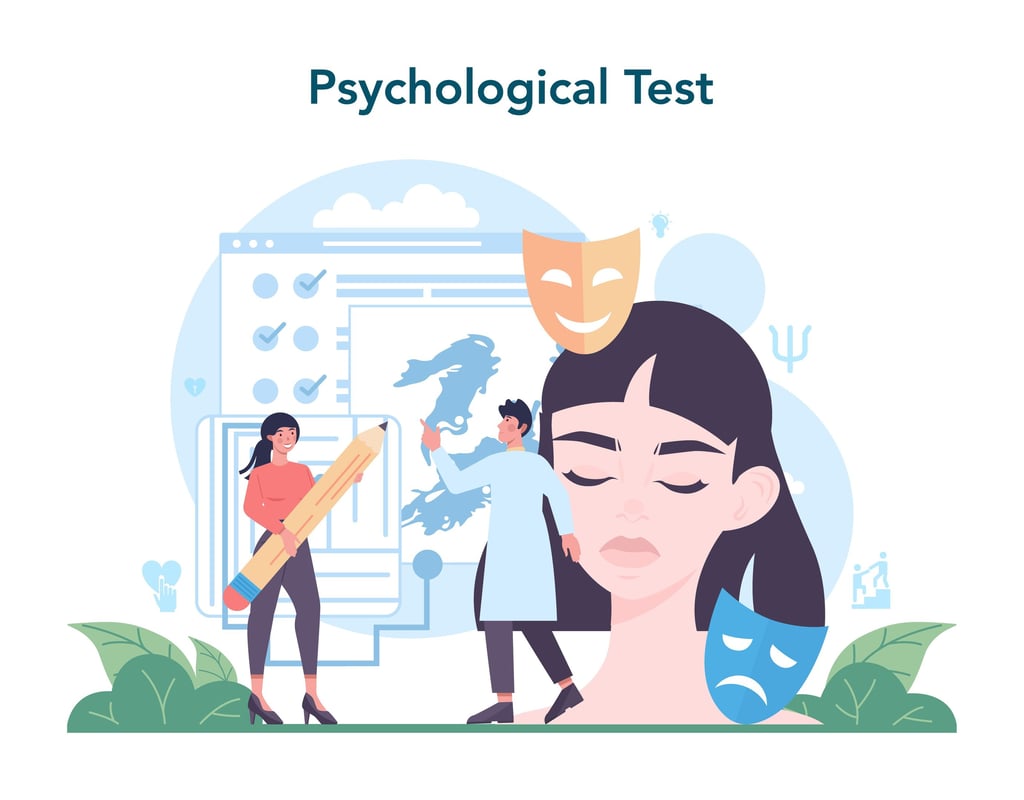

The main difference comes down to the provider's training, the tools they use, and the ultimate goal of the assessment. Psychological testing focuses on measuring specific cognitive, emotional, and behavioral traits using standardized data, while a psychiatric evaluation is a medical assessment aimed at diagnosing mental illness and determining if medication is needed.
Here is a breakdown of how they differ:
Psychological Testing
Conducted by a clinical psychologist (Ph.D. or Psy.D.), this process is highly structured and relies on standardized measurement tools. Think of it like taking medical lab tests, but for how your brain processes information and emotions.
What it involves: You complete various standardized tests, questionnaires, cognitive puzzles, and structured interviews. It is time-intensive, often taking anywhere from two to eight hours, sometimes spanning multiple appointments.
Focus: It aims to measure specific areas like intelligence (IQ), memory, attention, learning disabilities, personality traits, and neurodevelopmental conditions (such as autism or ADHD).
Outcome: You receive a comprehensive, written report detailing your scores, how you compare to established baselines, a formal diagnosis if applicable, and specific recommendations for therapy, behavioral interventions, or structural accommodations (like extra time on in-school exams).
Psychiatric Evaluations
Conducted by a psychiatrist (M.D. or D.O.) or a psychiatric nurse practitioner, this is a medical evaluation. The primary goal is to diagnose a mental health condition and create a clinical treatment plan, which frequently involves medication.
What it involves: A clinical conversation. The provider will ask about your current symptoms, personal and family medical history, lifestyle, and past mental health history. An initial evaluation typically takes 45 to 90 minutes. They may also order actual medical lab tests (like bloodwork) to rule out physical conditions causing mental symptoms (e.g., thyroid issues or vitamin deficiencies).
Focus: It looks at mental health through a medical and biological lens. The provider assesses your mood, behavior, and thoughts to identify conditions like major depression, bipolar disorder, severe anxiety, or schizophrenia.
Outcome: A clinical diagnosis and a treatment plan, which usually centers around prescribing and managing psychotropic medications. They do not typically provide a lengthy report, but rather a medical chart note and a prescription.
Figuring Out What You Need
Seek psychological testing if: You need a precise understanding of how your brain is functioning, you suspect a learning disorder or neurodivergence (ADHD/autism), you need legal or academic documentation for accommodations, or a therapist is struggling to pinpoint an exact diagnosis due to overlapping symptoms.
Seek a psychiatric evaluation if: You are experiencing severe, distressing, or sudden changes in mood, behavior, or thought patterns, your symptoms are significantly disrupting your daily life, and you are looking to start or manage mental health medication.
In many cases, the two disciplines overlap and work together. A psychiatrist might refer a patient for psychological testing to gather more data before finalizing a complex diagnosis, or a psychologist might refer a patient to a psychiatrist if their testing indicates that medication would be the most effective next step.
Phone: 817 431 3838, Fax: 817 431 3135
© 2026. All rights reserved.